Have a project for us?
DO YOU HAVE ANY QUESTIONS REGARDING YOUR NEXT CONSTRUCTION PROJECT?
Published on: Apr 22, 2026
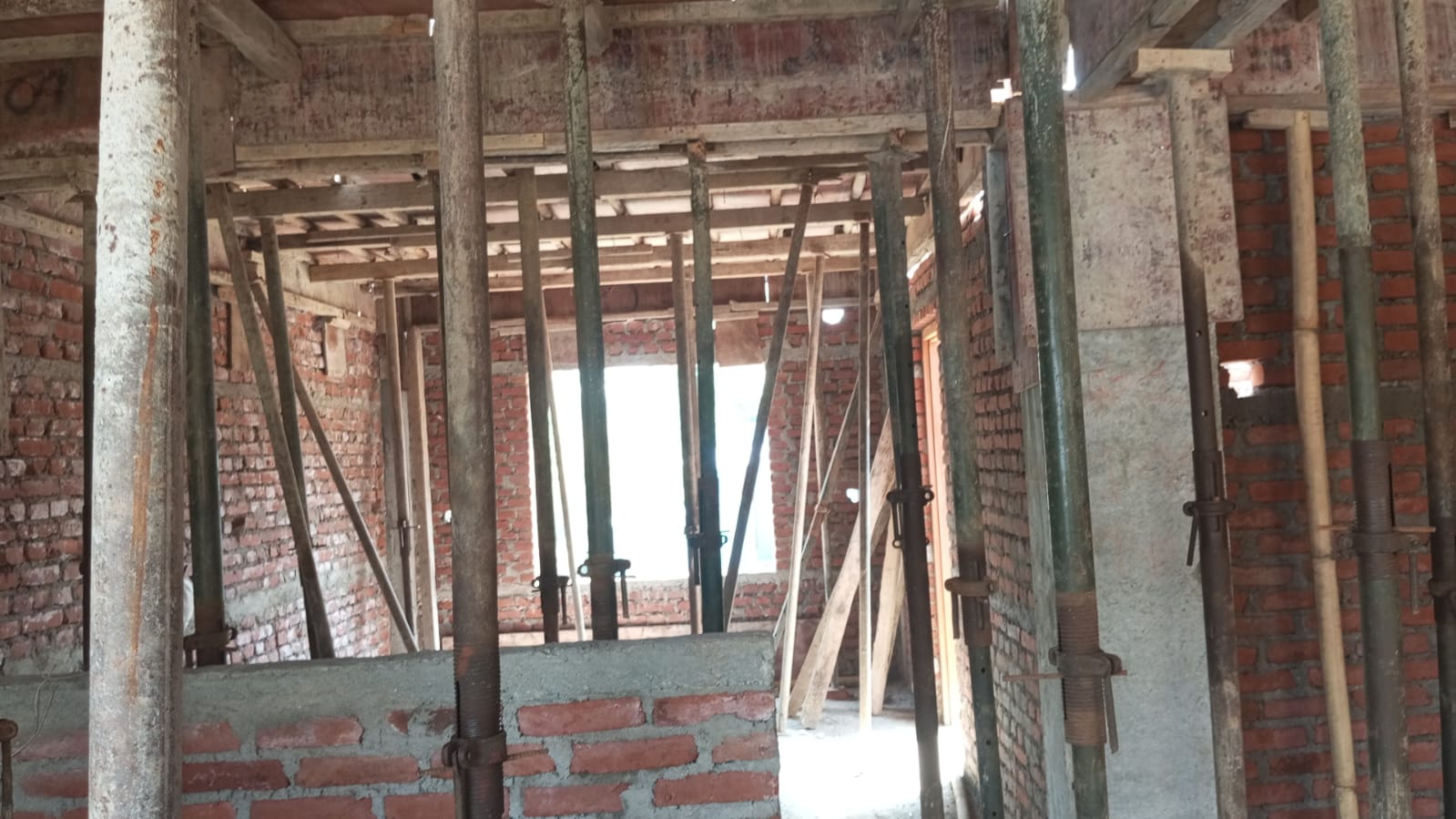
The surprising part? A big portion of that extra cost is actually avoidable. If you’re planning to build your home, understanding where money usually gets wasted can save you lakhs. Let’s talk about some common (and often overlooked) unnecessary expenses and how you can avoid them.
It’s tempting to jump straight into construction once you have land and a rough idea. But without a detailed budget and plan, costs can quickly spiral out of control.Many homeowners realize too late that they didn’t account for everything from finishing materials to labor fluctuations.
This happens more often than you think. You start building, and suddenly you feel like shifting a wall, adding a balcony, or upgrading the design. While it may seem like a small change, it often leads to demolition, rework, and extra labor all of which cost money.
Everyone wants to reduce costs, and materials often feel like the easiest place to cut corners. But choosing low-quality cement, steel, or fixtures can lead to bigger problems in the future. Cracks, leaks, and repairs can end up costing much more than what you initially saved.
Choosing the cheapest contractor might feel like a win at first. But if the work quality is poor or deadlines are not met, you’ll end up spending more fixing mistakes.
A house is not something you build every year it’s a lifetime investment.
Many people skip soil testing thinking it’s an unnecessary expense. But the type of soil directly affects your foundation. If the foundation isn’t suitable for the soil, you may face serious structural issues later which are extremely expensive to fix.
There are always small expenses that don’t come to mind at first permits, design fees, utility connections, site cleaning, and more. Individually, they may seem minor. But together, they can add a significant amount to your budget.
If plumbing and electrical layouts aren’t planned properly, changes later can be messy and expensive. Breaking walls to fix pipes or wiring is something you definitely want to avoid.
When construction is not properly supervised, small mistakes go unnoticed. This leads to material wastage, poor finishing, and sometimes even rework. Even minor negligence can slowly increase your overall cost.
In Nepal, prices of materials like cement and steel don’t stay constant. If your project runs longer than expected, you might end up paying more than planned.
It’s easy to get carried away with fancy interiors, expensive tiles, or stylish fittings. But overspending on these before completing the core structure can create financial pressure.
Building a home is one of the biggest financial decisions you’ll ever make. And while some costs are unavoidable, many are simply the result of rushed decisions or lack of planning.
If you stay patient, plan wisely, and focus on long-term value, you can avoid unnecessary expenses and build your dream home without stress.
At the end of the day, it’s not about how much you spend it’s about how smartly you spend it.