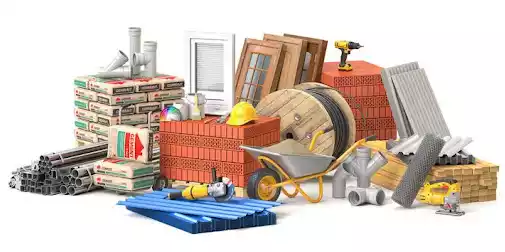
Building a house in Nepal is a dream for many, but turning that dream into a strong, safe, and long-lasting reality depends heavily on one key factor is the materials you choose. While design, architecture, and finishing are important, the real strength of a house lies in its foundation and the quality of materials used throughout the construction process. From the cement that binds everything together to the steel that reinforces the structure, every component plays a crucial role in ensuring your home can withstand Nepal’s unique environmental and seismic challenges.
At Ghar Durbar, we understand that homeowners often feel overwhelmed when selecting materials, especially with so many options available in the market. That’s why we focus on simplifying the entire construction journey by connecting you with reliable suppliers, experienced contractors, and a trusted construction company in Nepal, providing practical guidance helping you make decisions that are not only cost-effective but also safe and future-proof.
Sand and aggregates may seem like simple materials, but they are fundamental to the strength of concrete and mortar. The quality, size, and cleanliness of these materials directly affect how well your structure holds together, which is why every experienced construction company in Nepal emphasizes proper selection.
In Nepal, river sand and crushed sand are commonly used, along with gravel aggregates for concrete work. It’s important to ensure that these materials are free from impurities like clay, silt, or organic matter, as these can weaken the bonding strength. Proper grading and proportioning are equally important to achieve a solid and durable structure, especially when managed by a professional construction company in Nepal for building construction.
4. Steel (TMT Bars & Rods)
Steel reinforcement is what gives your house the ability to resist tension and withstand external forces, especially earthquakes. In a country like Nepal, where seismic activity is a real concern, using high-quality TMT bars is absolutely essential and always recommended by a certified construction company in Nepal.
Grades like Fe500 and Fe500D are commonly used in residential construction because they provide the right balance of strength and flexibility. Good-quality steel not only improves the load-bearing capacity of your building but also enhances its lifespan. It’s always advisable to verify the grade, brand, and condition of steel before use, something a reliable construction company in Nepal for earthquake-resistant construction will always ensure.
5. Stones
6. Timber and Plywood
Timber adds warmth and character to a home while also serving practical purposes in doors, windows, and interior finishes. In Nepal, hardwoods like Sal are highly valued for their durability and resistance to wear, while pine is often chosen as a more affordable alternative by homeowners and a budget-friendly construction company in Nepal.
Engineered plywood is also widely used due to its versatility and ease of installation. However, one important aspect that should never be overlooked is treatment untreated wood is highly vulnerable to termites and moisture damage. Proper finishing and chemical treatment can significantly extend its lifespan, something every professional construction company in Nepal for home construction will recommend.
7. Pipes and Plumbing Materials
A well-functioning plumbing system is something every homeowner depends on daily, yet it is often overlooked during construction. Using high-quality pipes and fittings ensures smooth water flow, prevents leakage, and reduces maintenance issues in the future, which is why a reliable construction company in Nepal always prioritizes quality plumbing systems.
Materials like PVC, CPVC, and GI pipes are commonly used in Nepal, each suited for different applications. Investing in good plumbing materials may seem like a small decision, but it can save you from major repair costs later on.
8. Roofing Materials
The roof is your home’s first line of defense against weather conditions, so choosing the right roofing material is crucial. RCC roofs are the most common choice in urban Nepal due to their strength and durability, often recommended by a professional construction company in Nepal for residential roofing solutions, while metal sheets and tiles are also popular depending on budget and design preferences.
Each option has its own advantages metal sheets are cost-effective and quick to install, while tile roofing offers better insulation and aesthetic appeal. The key is to choose a solution that balances durability, cost, and climate suitability.
9. Glass and Tiles
Glass and tiles are the finishing elements that bring both functionality and beauty to your home. Glass is widely used in windows and modern facades to allow natural light and enhance visual appeal, while tiles are essential for flooring, kitchens, and bathrooms in projects handled by any modern construction company in Nepal.
Selecting high-quality, anti-slip tiles improves safety, especially in wet areas, while energy-efficient glass can help regulate indoor temperatures. These materials may seem like finishing touches, but they play a big role in comfort and usability.
Tips for Buying Construction Materials in Nepal
1. Check Quality and Certification
Always ensure that the materials you purchase meet recognized standards, such as Nepal Standard (NS), as this guarantees reliability and performance, especially when working with a certified construction company in Nepal.
5. Plan Quantities Accurately
Proper planning helps avoid unnecessary wastage and ensures that your project runs smoothly without delays, especially when managed by a professional construction company in Nepal.
6. Inspect Materials on Delivery
Always check the condition, quality, and quantity of materials upon delivery to avoid future complications.
7. Stay Updated on Market Trends
Material prices and availability change frequently in Nepal, so staying informed allows you to make smarter purchasing decisions alongside guidance from a reliable construction company in Nepal.
Wrapping Up
Building a house is one of the most important investments you will ever make, and the materials you choose will determine how well that investment holds up over time. By selecting high-quality construction materials and making informed decisions preferably with the help of a trusted construction company in Nepal you can ensure that your home remains safe, comfortable, and durable for generations.
With Ghar Durbar, the process becomes much easier and more transparent, allowing you to focus on building your dream home with confidence and peace of mind while working with a reliable construction company in Nepal.
FAQs
1. What are the best materials for earthquake-resistant houses in Nepal?
The best materials include high-quality TMT steel bars, durable cement like PPC, properly graded aggregates, and reinforced concrete structures designed according to engineering standards, often recommended by a professional construction company in Nepal for earthquake-resistant homes.
2. What are the most common materials used in house construction in Nepal?
Cement, bricks, sand, aggregates, steel, timber, and roofing materials are the most commonly used construction materials across Nepal, typically used by any experienced construction company in Nepal.
What eco-friendly materials are recommended for sustainable construction in Nepal?
Eco-friendly options such as AAC blocks, fly ash bricks, bamboo, recycled materials, and locally sourced resources are increasingly being used for sustainable construction, especially by a modern construction company in Nepal focused on sustainable building.