Have a project for us?
DO YOU HAVE ANY QUESTIONS REGARDING YOUR NEXT CONSTRUCTION PROJECT?
Published on: Apr 09, 2026
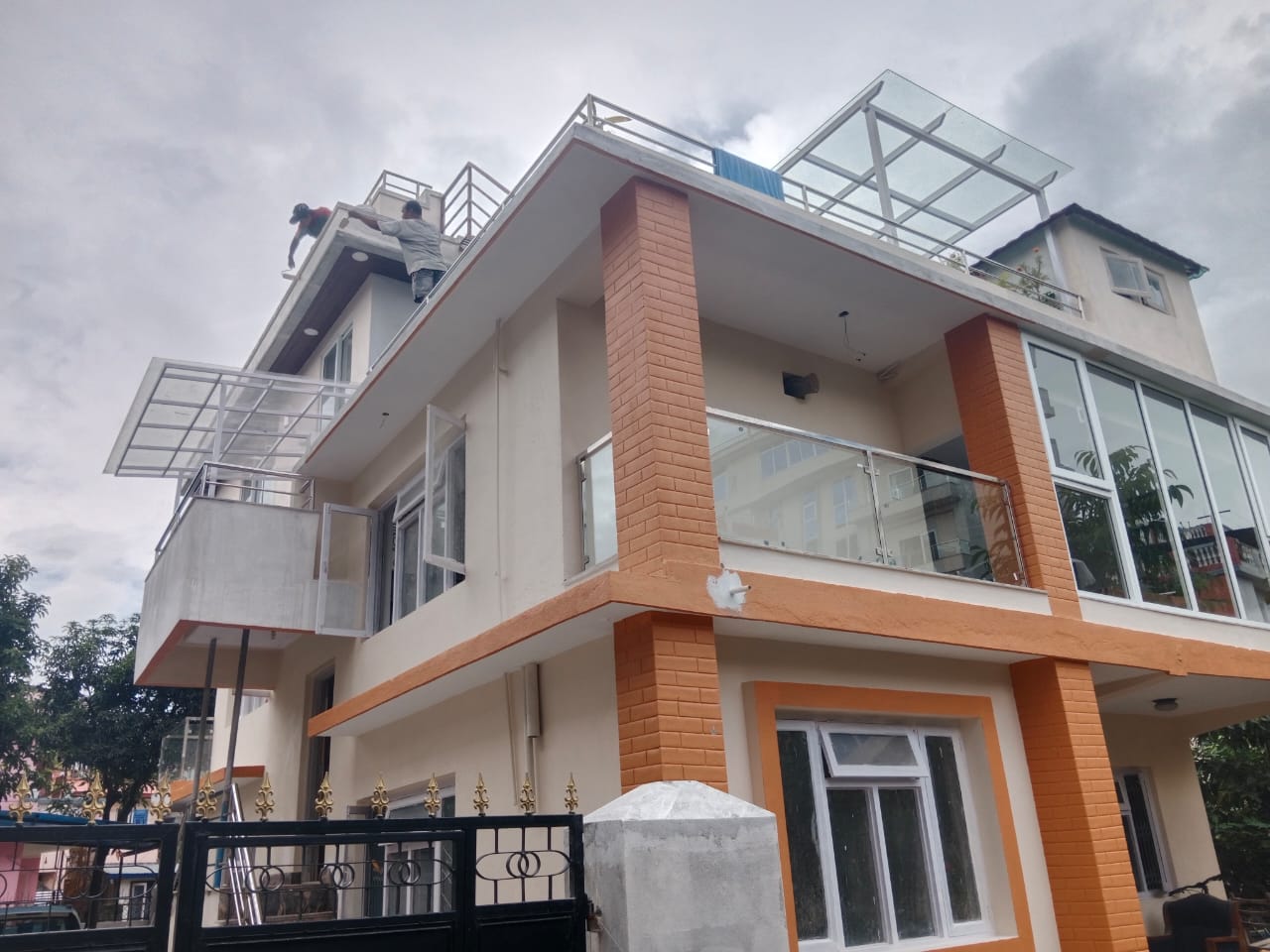
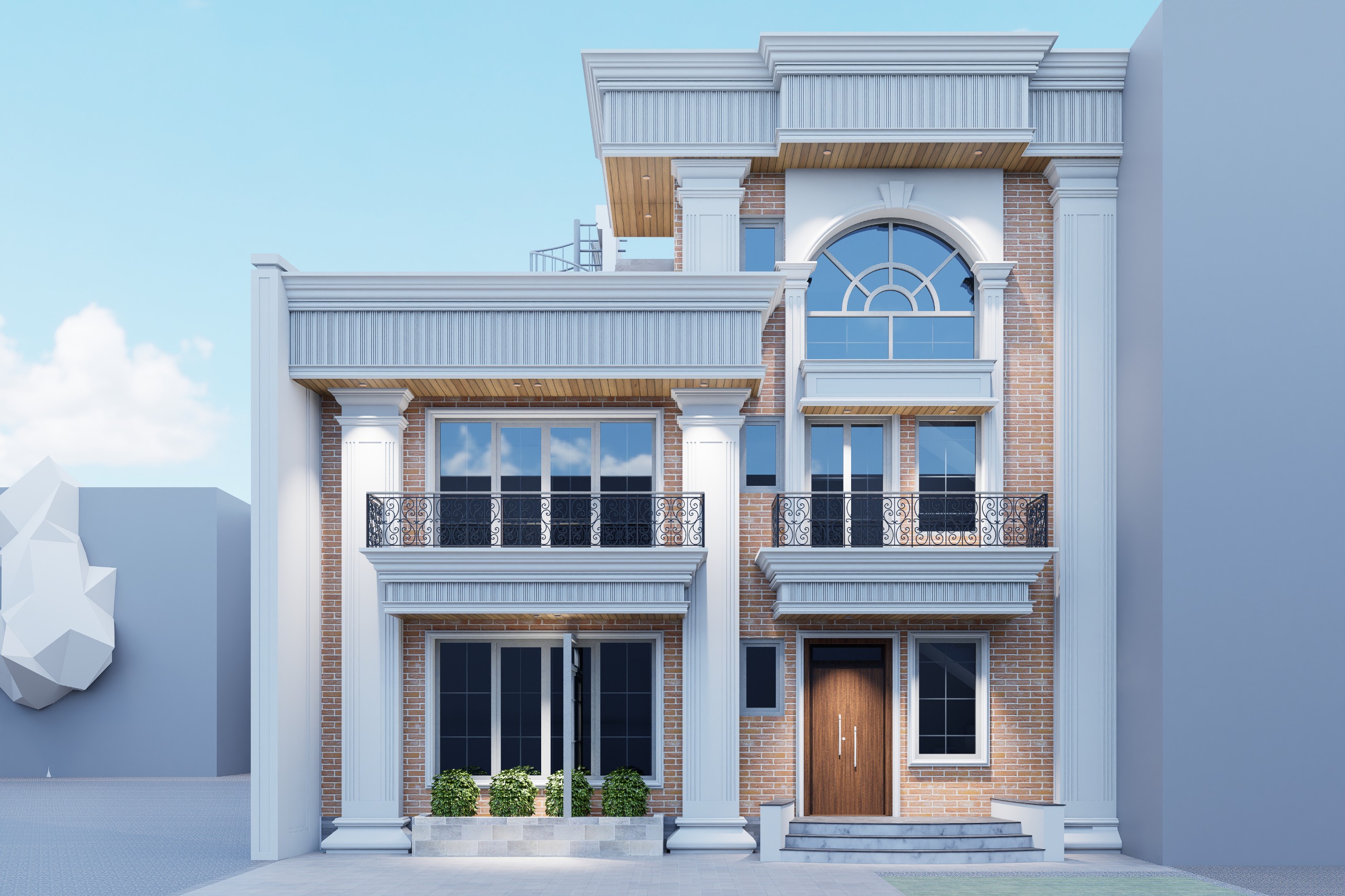
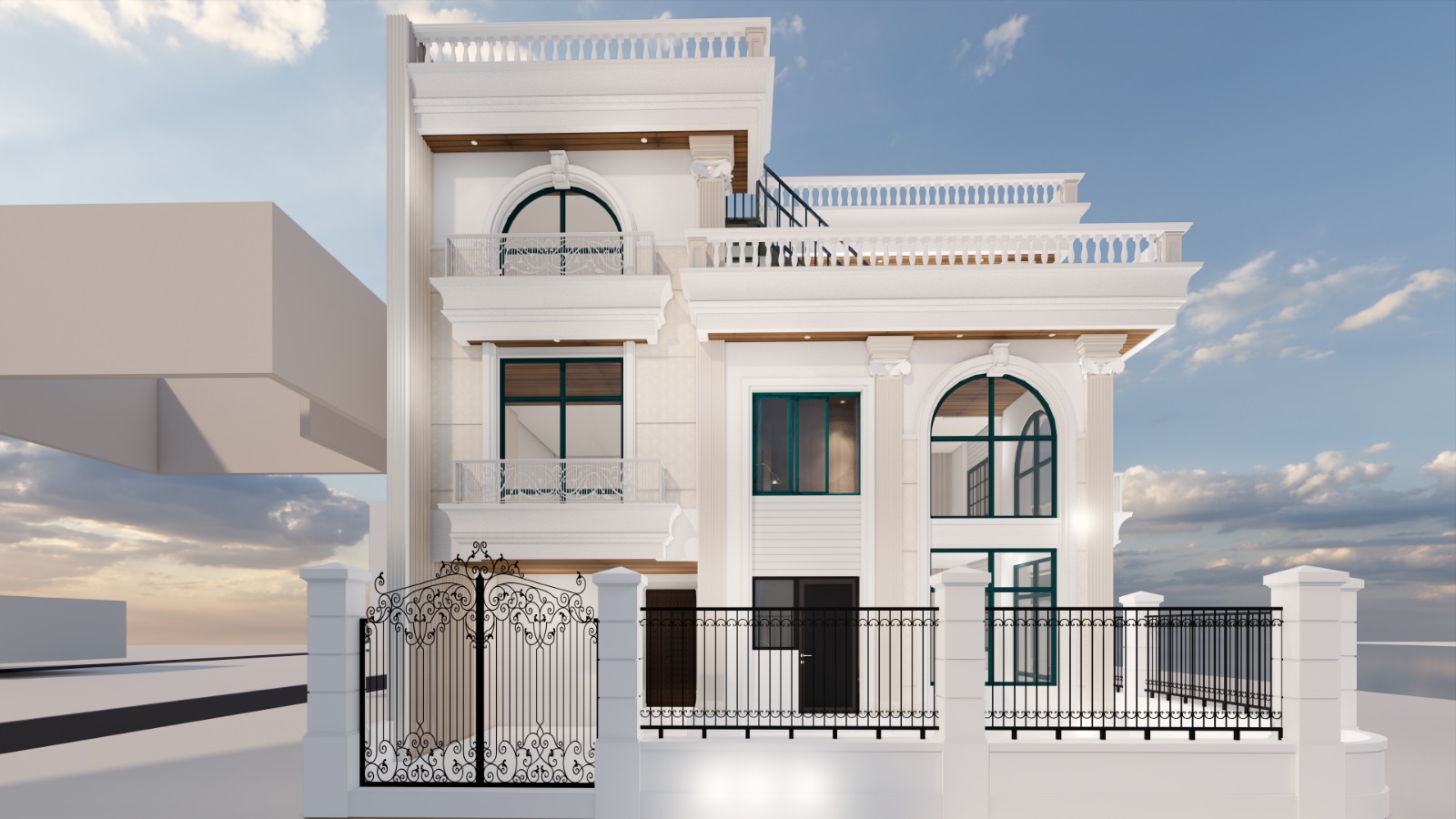
1.25 crores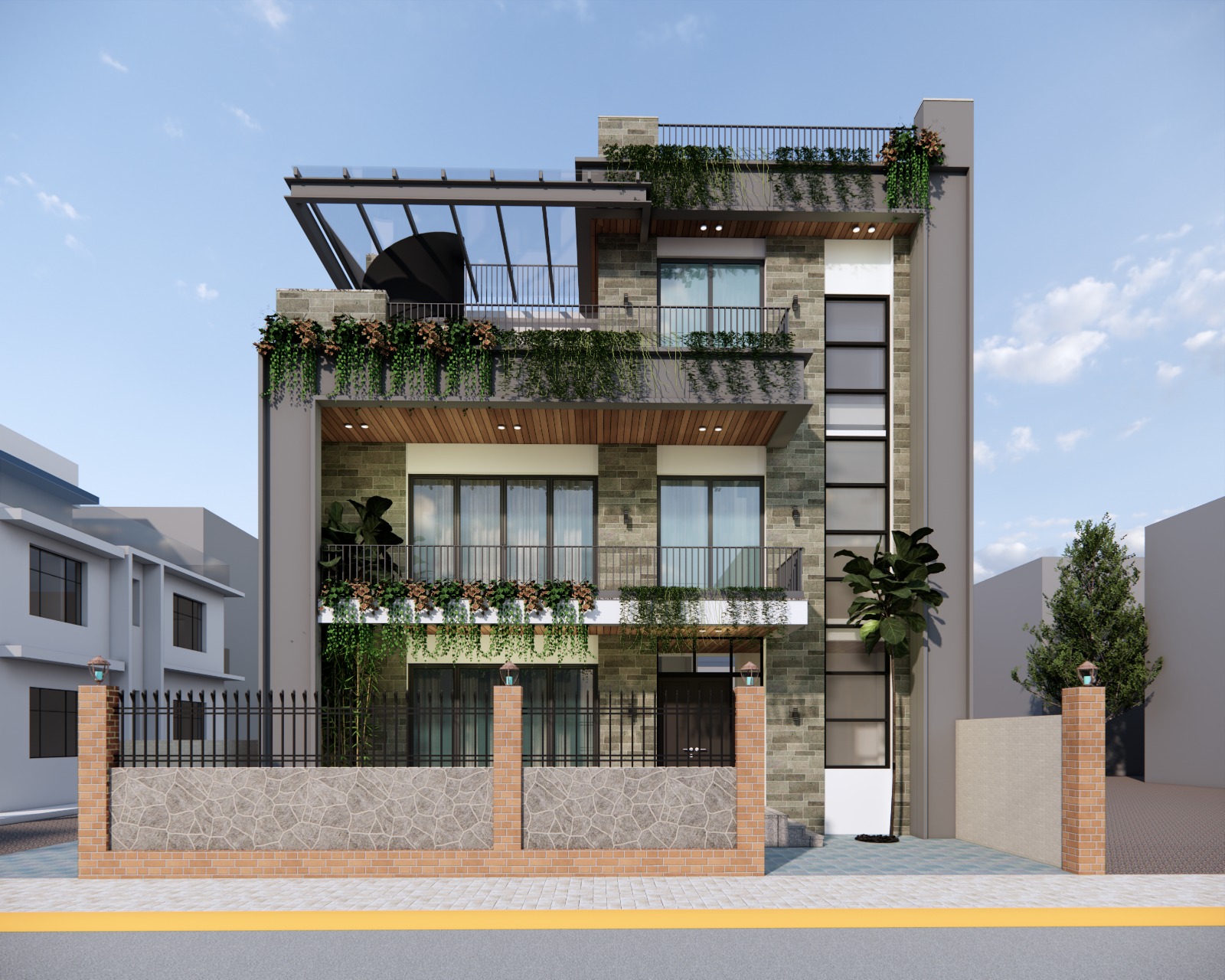
79 lakhs, 780 sq ft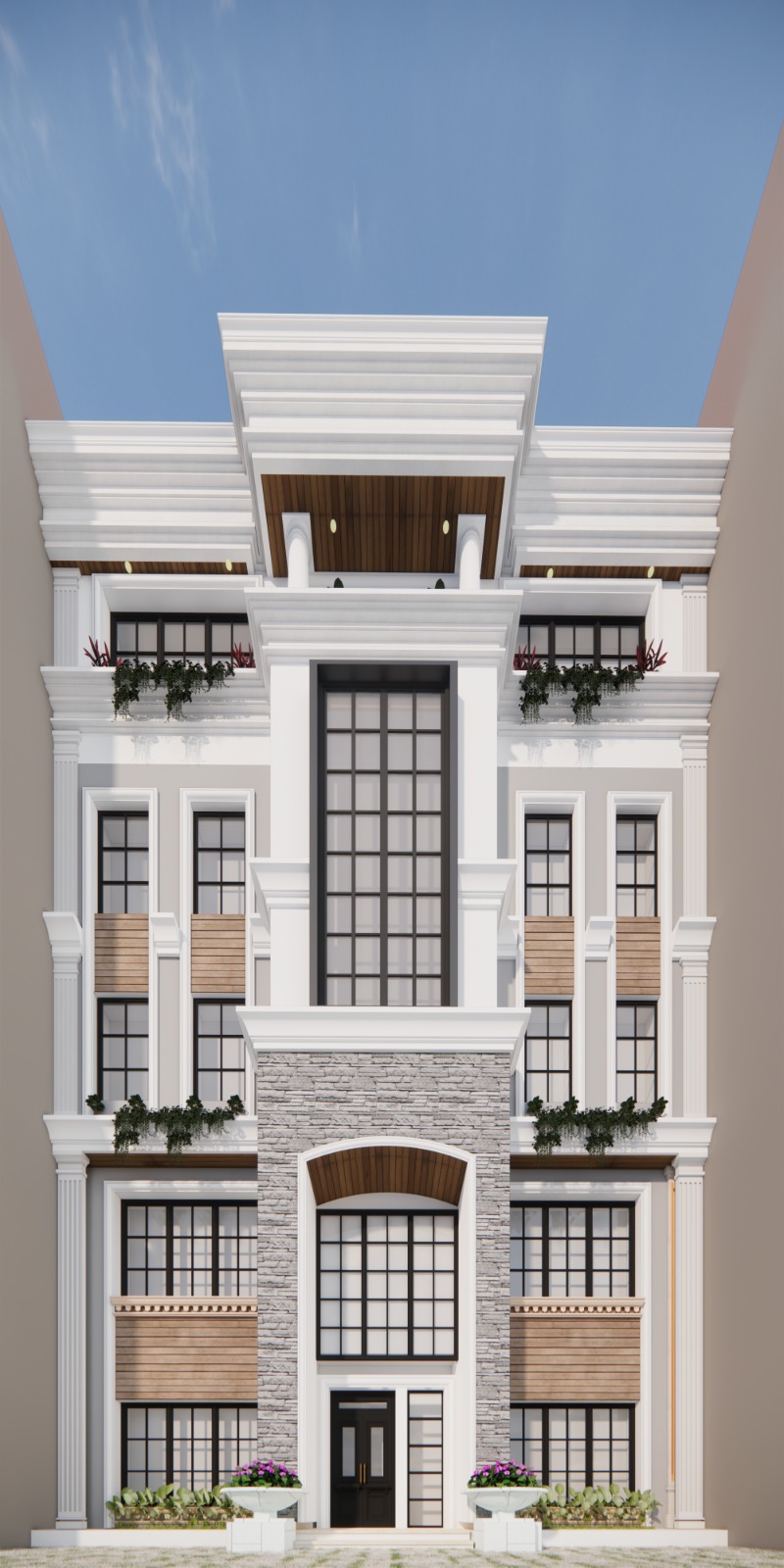
1.5 crores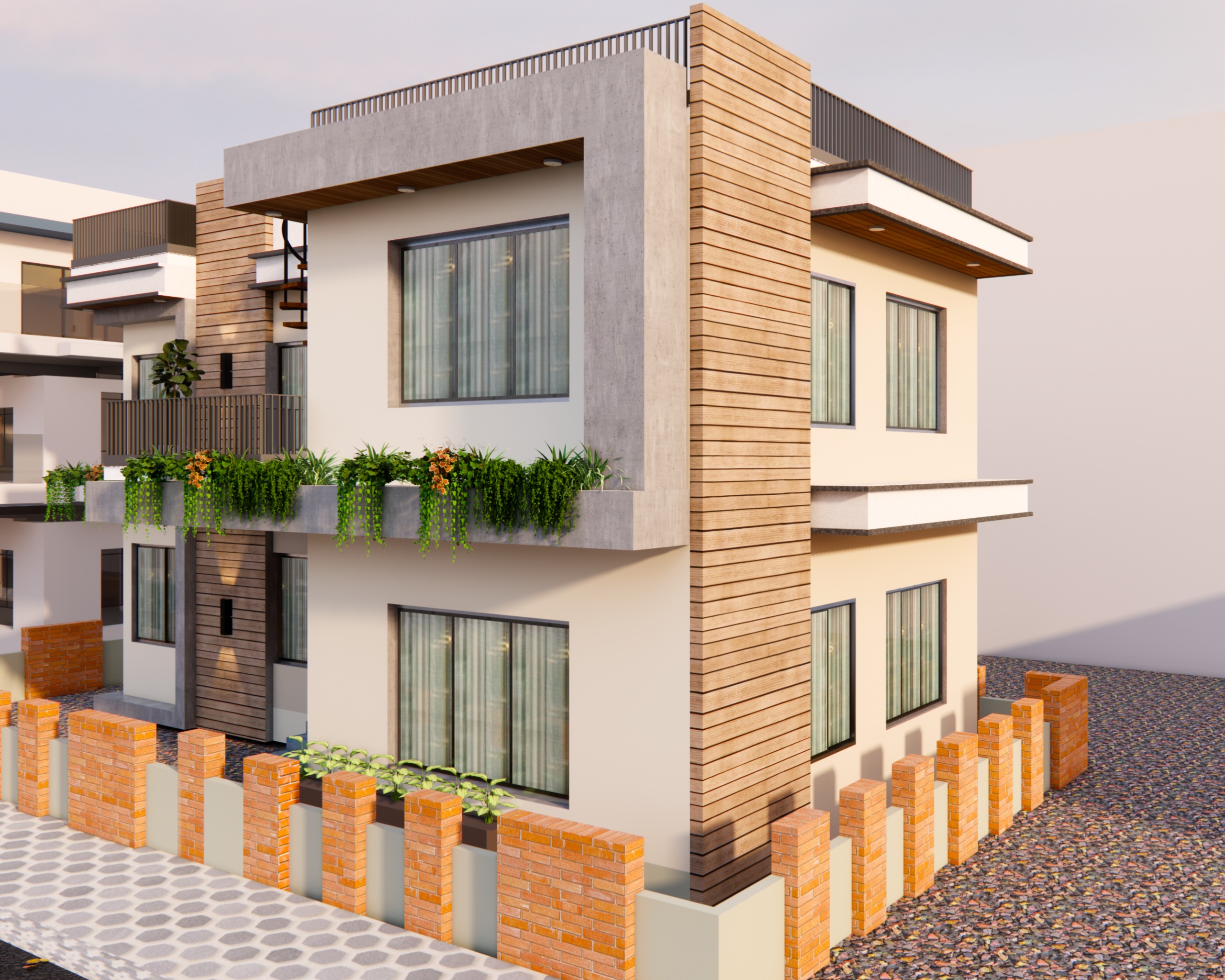
61 lakh , 680 sq ft
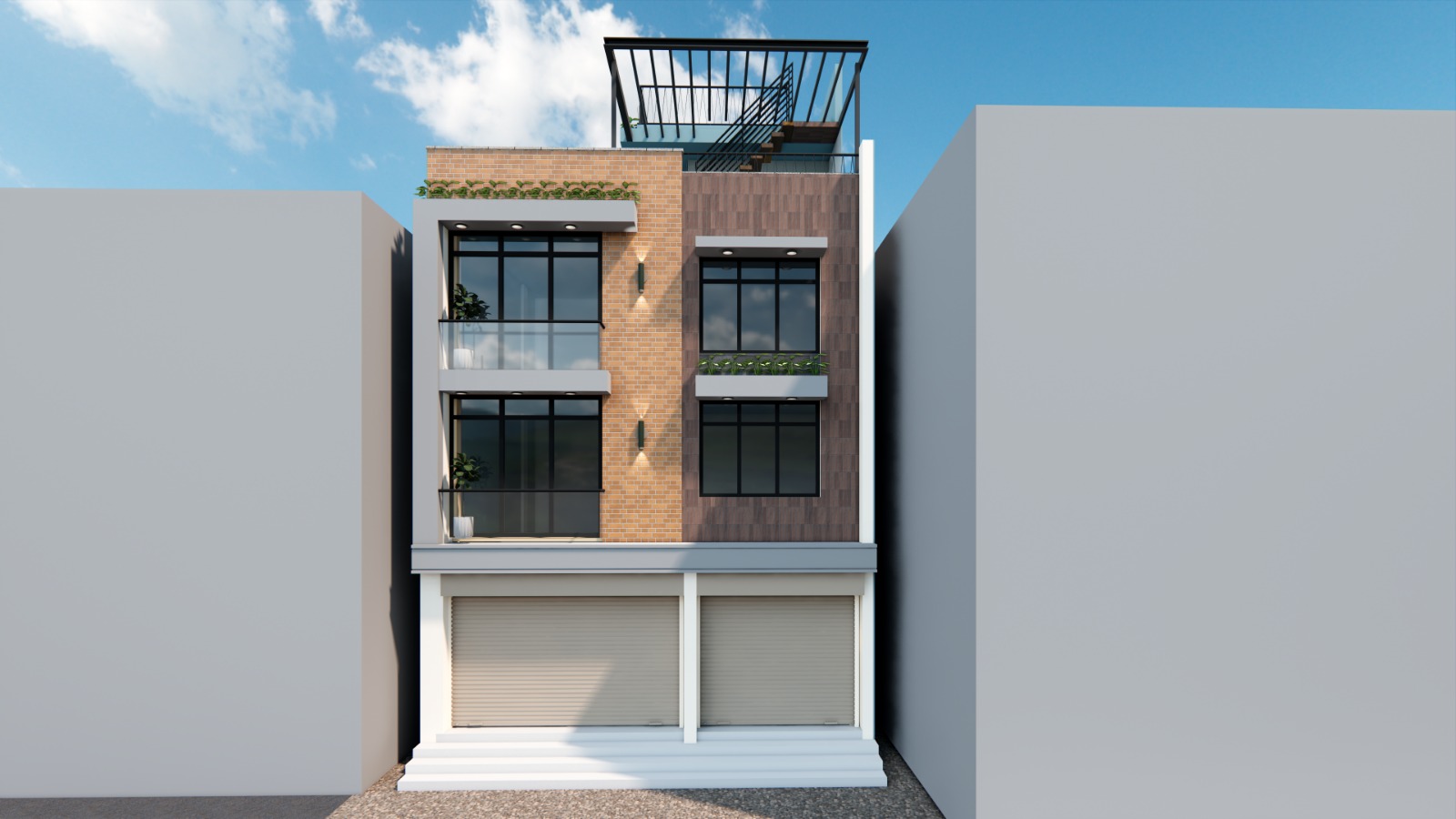
85 lakhs, 750 sq ft
Building your own home in Kathmandu is a dream that most Nepali families carry for years sometimes even decades. You save, you plan, you picture what the windows will look like from the outside. And then, when you finally sit down to figure out the numbers, the sheer scale of it hits you.
How much will it actually cost? Where does the money go? Are the estimates you found online even realistic?
This guide is our honest attempt to answer those questions no sugarcoating, no vague "it depends" answers. Just practical numbers, clear breakdowns, and real advice for anyone planning to build in Kathmandu today. Whether you're working with an independent contractor or a professional construction company in Kathmandu, understanding the cost structure is essential.
Before jumping into rupee figures, it helps to understand what moves the needle on construction costs in Kathmandu. There are a few big ones:
Location within the valley is the most obvious factor. Building near New Road, Durbarmarg, or Thamel? Expect to pay a significant premium not just for the land, but for everything from contractor rates to material delivery logistics. Many projects in prime areas are handled by a reputed construction company in Kathmandu, which may also influence pricing. As you move to places like Budhanilkantha, Tokha, Bhaktapur, or Banepa, costs come down considerably.
The type and quality of construction you're aiming for matters a great deal. A basic no-frills structure and a premium finished home are not just different in aesthetics they're a completely different budget universe. A reliable construction company in Kathmandu can help you decide the right balance between cost and quality.
Material pricesfluctuate based on the market, import conditions, and even the season. After the economic slowdown in 2023, construction material costs saw a notable rise and have stayed elevated. Steel, cement, and sand prices shift regularly, so always get fresh quotes preferably through a trusted construction company in Kathmandu.
Labor availability is a real challenge in Kathmandu. Skilled masons, carpenters, and plumbers are in high demand, and their daily rates reflect that. Factor in the time of year too post-monsoon (October to February) is peak season, and labor costs tick upward during this period. Established teams from a construction company in Kathmandu often ensure better labor management.
Earthquake-resistant design is no longer optional in Nepal it's both a legal and moral requirement. Since the 2015 earthquake, the Department of Urban Development and Building Construction (DUDBC) has made seismic-compliant construction the standard. This adds some cost, but it's the one place you should never cut corners, and any professional construction company in Kathmandu will prioritize this.
Here's what you're looking at in today's market:
| Construction Type | Cost Per Sq. Ft. (NPR) | What You Get |
| Basic | Rs. 3,000 – Rs. 3,500 | Standard materials, functional finishes, minimal customization |
| Mid-Range | Rs. 4,000 – Rs. 5,500 | Better materials, decent tiles, proper electrical & plumbing |
| Premium | Rs. 6,000 and above | High-end finishes, branded fittings, modular kitchen, marble floors |
For the first floor of a Kathmandu home, expect around Rs. 3,700 per sq. ft. as a base. Additional floors typically come down to around Rs. 3,000 per sq. ft., since foundation and site-prep costs don't repeat.
Let's put these numbers to work with some common scenarios:
This is the most common house format for Kathmandu families enough space for parents, kids, and maybe a rental floor.
Expect total construction costs (excluding land) of:
People often think of construction as one big number. In reality, it's made up of several distinct cost buckets and knowing them helps you plan and negotiate better, especially when dealing with a construction company in Kathmandu.
This is the skeleton of your home excavation, footings, RCC work, columns, beams, and brickwork. It's the most critical stage, and also where earthquake-resistance standards are applied. Cutting costs here is a false economy. Get it right the first time preferably through a qualified construction company in Kathmandu.
This is where many first-time builders get surprised. Finishing can sometimes cost as much as the structure itself if you're going premium. A professional construction company in Kathmandu can help optimize these costs.
These often blindside first-time builders:
Always add a contingency buffer of 10–15% on top of your estimated budget. In construction, surprises are not rare they're expected.
Land is separate from construction but obviously a huge part of the total investment. In 2025–2026, land prices in the Kathmandu Valley look roughly like this:
One aana = 342.25 sq. ft. Knowing this unit is essential when dealing with real estate in Kathmandu.
You don't need an unlimited budget to build a good home. Here's what actually works:
Start with a simple design. A rectangular or square-footprint home is significantly cheaper to build than one with irregular shapes, multiple cantilevers, or complex rooflines. Every architectural flourish adds material waste and labor hours.
Plan before you build not during. Last-minute design changes are one of the biggest cost-inflators in construction. Finalizing your floor plan, structural design, and finish choices before breaking ground saves a lot of grief (and money).
Buy materials in bulk where possible. Cement, sand, and aggregate bought in volume often get better rates. Coordinate with your contractor to consolidate purchases.
Don't skip professional fees. An architect's and structural engineer's fee (2–5% of construction cost) seems like an expense you can avoid. It isn't. Good professionals prevent costly structural mistakes and help you navigate the permit process smoothly.
Consider locally sourced materials. Clay bricks, locally quarried stone, and Nepal-produced steel all offer cost advantages over imported alternatives, while often being perfectly suited for the local climate.
Phase your construction if needed. If cash flow is a concern, phased construction completing the structure first, then finishing floors over time is a legitimate and common strategy in Nepal.
We want to say this clearly: earthquake-resistant design is not a luxury add-on. Nepal is one of the most seismically active countries in the world, and Kathmandu sits in a high-risk zone. The 2015 Gorkha earthquake was a devastating reminder of what happens when construction corners are cut.
Modern Kathmandu construction follows DUDBC guidelines for seismic compliance. This includes proper column sizes, seismic bands (lintel and sill bands), reinforced foundations, and correct concrete mix ratios. Compliance adds some cost, but it's the investment that protects everything else.
If a contractor tells you they can save money by simplifying the structural design be cautious. Ask exactly what's being compromised.
Many people start thinking about permits only when their materials are already delivered. Don't do this. Here's the proper sequence:
The Naksa Pass process in Kathmandu is more detailed and time-consuming than in smaller municipalities, so build that timeline into your planning.
This is a question many Kathmandu families wrestle with. The honest answer: it depends on location, but in general, building your own house on purchased land tends to work out more cost-effective than buying an apartment in a high-rise and it comes with the freedom to design your own space.
A comparable apartment in a prime Kathmandu location can cost Rs. 16,000 per sq. ft. or more, while building your own home (including land in a mid-range location) works out to Rs. 10,000–12,000 per sq. ft. all-in. The math usually favors building if you have the time and bandwidth to manage the project.
Building a house in Kathmandu is not cheap. It takes planning, patience, and a lot of trust in the right people. But it's also one of the most deeply satisfying things a family can do creating something permanent, safe, and truly yours.
The numbers in this guide are honest benchmarks based on current market conditions. Use them as a starting point, not a final answer. For a project-specific estimate, always consult with a licensed contractor and get a detailed Bill of Quantities (BOQ) tailored to your land, design, and material preferences.
And remember: the best time to plan is before you start. The second best time is right now.
Looking to buy, sell, or explore real estate options in Kathmandu? Visit GharDurbar.com for listings, market insights, and expert guidance across the Nepal property market.
Tags: House Construction Cost Kathmandu, Building Cost Nepal 2025, Construction Per Square Foot Nepal, Kathmandu Real Estate, Home Construction Budget Nepal, Naksa Pass Nepal, Earthquake Resistant House Nepal