Introduction
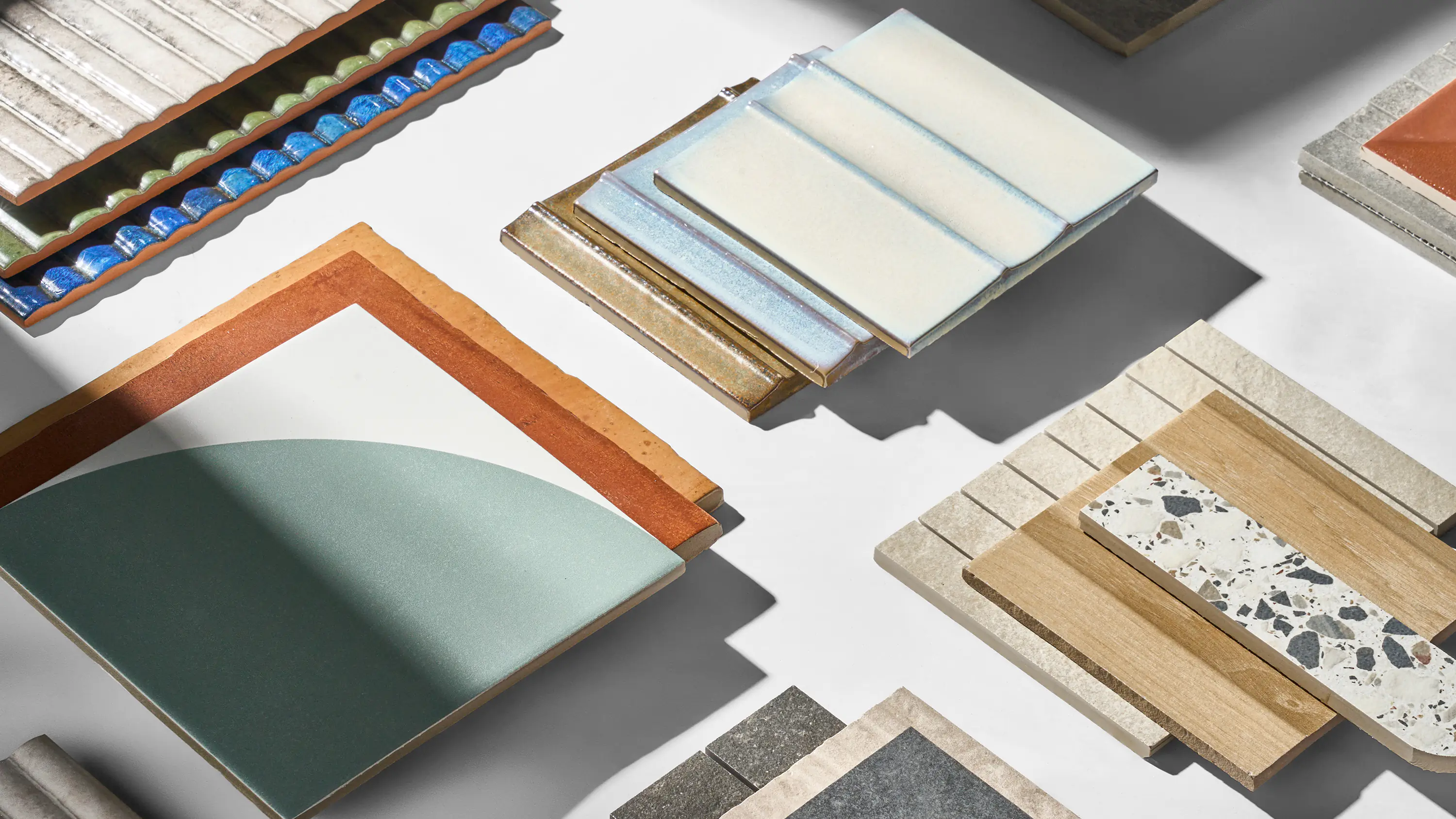
When it comes to building or renovating a home in Nepal, tiles are no longer just a finishing material they are a defining element of your lifestyle. From the floors you walk on every day to the walls that shape your interiors, tiles influence both the functionality and the visual identity of your space. In 2025, the tile market in Nepal has evolved significantly, offering a wide range of options that cater to different budgets, tastes, and architectural styles, especially when working with a construction company in Nepal that understands modern material trends.
Whether you are designing a modern kitchen, upgrading your bathroom, or constructing a luxury home, selecting the right tiles can feel overwhelming. With so many materials, brands, designs, and price ranges available, it’s easy to get confused. This is where platforms like Ghar Durbar come into play, simplifying the process by connecting homeowners with trusted suppliers, designers, and contractors similar to how global booking platforms streamline home improvement services, including working with a reliable construction company in Nepal.
This detailed guide will walk you through everything you need to know about tiles in Nepal, including their history, types, pricing, and practical tips for choosing the perfect tiles for your space, whether you are building independently or through a construction company in Nepal.
History of Tiles in Nepal
The use of tiles in Nepal dates back centuries and is deeply rooted in the country’s architectural heritage. Traditional Nepali homes, temples, and palaces especially in the Kathmandu Valley featured handcrafted clay and terracotta tiles. These tiles were not only functional but also carried cultural and artistic significance, often reflecting intricate craftsmanship passed down through generations, something many modern construction company in Nepal firms still try to preserve in their designs.
In earlier times, tiles were primarily used for roofing purposes, particularly in Newari architecture, where sloped roofs with clay tiles were common. These tiles helped protect homes from heavy rainfall and harsh weather conditions while maintaining a natural cooling effect.
As Nepal gradually embraced modernization, especially in urban areas like Kathmandu, Lalitpur, and Bhaktapur, the demand for more durable, low-maintenance, and aesthetically versatile materials increased. This led to the introduction of ceramic, porcelain, and imported tiles, which quickly became popular due to their affordability and modern appeal. Today, tiles in Nepal represent a perfect blend of tradition and innovation offering both cultural charm and contemporary design, often recommended by any experienced construction company in Nepal.
Why Choose Tiles for Your Home or Office in Nepal?
Tiles have become one of the most preferred construction materials in Nepal, and for good reason. In a country where weather conditions vary significantly from humid monsoons to cold winters tiles offer a reliable and practical solution for both homes and commercial spaces, which is why every professional construction company in Nepal suggests tiles for durability.
One of the biggest advantages of tiles is their durability. Unlike other flooring materials that may wear out over time, high-quality tiles can last for decades with minimal maintenance. This makes them a cost-effective choice in the long run, even if the initial investment seems slightly higher, especially when installed properly by a construction company in Nepal.
Another important reason why tiles are widely used in Nepal is their resistance to water and moisture. During the monsoon season, when dampness becomes a common issue in many homes, tiles help prevent water damage and maintain hygiene. This is especially important in areas like kitchens and bathrooms, where cleanliness is a top priority in projects handled by a construction company in Nepal.
Tiles also offer unmatched versatility in terms of design. Whether you prefer a minimalist modern look or a more traditional aesthetic, there are countless options available to suit your taste. From glossy finishes to matte textures, from neutral tones to bold patterns—tiles allow you to personalize your space effortlessly, something every construction company in Nepal focuses on during interior planning.
Additionally, tiles are easy to clean and maintain, making them ideal for busy households and commercial environments. A simple wipe or mop is usually enough to keep them looking fresh and new.
Average Tiles Price in Nepal (per sq. ft)
Understanding tile pricing in Nepal is essential for planning your construction or renovation budget effectively, especially when consulting a construction company in Nepal for cost estimation. Tile prices can vary widely depending on factors such as material, brand, design, and origin (local or imported).
Ceramic tiles are among the most affordable options, typically ranging from NPR 60 to NPR 150 per square foot. These tiles are widely used in residential projects due to their cost-effectiveness and decent durability, making them a common recommendation by a construction company in Nepal.
Porcelain tiles, which are denser and more durable than ceramic tiles, usually cost between NPR 120 and NPR 300 per square foot. They are ideal for areas with heavy foot traffic, such as living rooms and commercial spaces.
For those seeking a premium look, marble tiles can range from NPR 250 to NPR 800 per square foot, while granite tiles may cost anywhere from NPR 300 to over NPR 1000 per square foot. These options are often chosen for luxury homes and high-end projects. PVC tiles, on the other hand, are a budget-friendly alternative, typically priced between NPR 80 and NPR 200 per square foot. They are easy to install and suitable for temporary or low-cost solutions.
It’s important to note that imported designer tiles may come at a higher price due to transportation and import costs, but they often offer unique designs and superior quality.
Types of Tiles in Nepal
1. Ceramic Tiles in Nepal
Ceramic tiles are one of the most commonly used tiles in Nepal, especially for residential applications. They are made from natural clay and are available in a wide range of colors, patterns, and finishes. Their affordability and versatility make them a popular choice among homeowners and any construction company in Nepal.
a. Glazed Ceramic Tiles in Nepal
Glazed ceramic tiles come with a protective coating that enhances their appearance and makes them resistant to stains and moisture. These tiles are particularly suitable for kitchens and bathrooms, where exposure to water and spills is frequent.
b. Floor Tiles in Nepal
Ceramic floor tiles are designed to withstand moderate foot traffic and are commonly used in living rooms, bedrooms, and hallways. They offer a balance between durability and cost.
c. Wall Tiles
Wall tiles are lighter and thinner compared to floor tiles, making them ideal for vertical surfaces. They are often used in kitchens and bathrooms to create a clean and stylish look.
2. Porcelain Tiles in Nepal
Porcelain tiles are a more advanced version of ceramic tiles, made using finer clay and higher firing temperatures. This results in a denser and more durable material that is less porous and more resistant to wear and tear.
a. Wall Tile
Porcelain wall tiles are perfect for creating sleek and modern interiors. They are available in a variety of finishes, including polished, matte, and textured.
b. Floor Tile
Porcelain floor tiles are highly durable and can handle heavy foot traffic, making them suitable for both residential and commercial spaces.
c. Mosaic Wall Tile
Mosaic tiles are small, decorative tiles often used to create artistic patterns on walls. They are commonly seen in bathrooms, kitchens, and feature walls.
3. Glass Tiles in Nepal
Glass tiles are primarily used for decorative purposes, such as backsplashes and accent walls. They reflect light beautifully, making spaces appear brighter and more spacious. Although they are not typically used for flooring, they add a touch of elegance and sophistication to interiors.
4. Marble Tile
Marble tiles are synonymous with luxury and elegance. They offer a natural, timeless look that enhances the aesthetic appeal of any space. However, they require proper maintenance to prevent staining and damage.
5. Granite Tile
Granite tiles are known for their strength and durability. They are highly resistant to scratches and heat, making them ideal for high-traffic areas and commercial spaces.
6. Natural Stone Tile
Natural stone tiles, such as slate and sandstone, provide a rustic and organic look. They are often used in outdoor spaces and feature areas to create a natural ambiance.
7. Quarry Tile
Quarry tiles are unglazed and extremely durable, making them suitable for industrial and outdoor applications. They offer excellent slip resistance, which is important for safety.
Some Other Types of Tiles in Nepal
Roof Tiles in Nepal
Roof tiles are commonly used in both traditional and modern homes in Nepal. They not only enhance the visual appeal of a building but also provide protection against harsh weather conditions.
Bathroom Tiles in Nepal
Bathroom tiles are specifically designed to handle moisture and prevent slipping. They come in a variety of designs that combine functionality with aesthetics.
Kajaria Tiles in Nepal
Kajaria tiles are widely recognized for their premium quality and innovative designs. They are a popular choice among homeowners looking for durability and style.
Somany Tiles in Nepal
Somany tiles offer a balance between affordability and quality, making them suitable for a wide range of projects.
PVC Tiles in Nepal
PVC tiles are lightweight, easy to install, and cost-effective. They are often used in temporary setups or budget projects.
Varmora Tiles in Nepal
Varmora tiles are known for their modern designs and reliable performance, making them a growing choice in the Nepali market.
Best Tile Brands Available in Nepal
The tile market in Nepal features a mix of local and international brands that cater to different needs and budgets. Brands like Kajaria, Somany, Varmora, Asian Granito, and RAK Ceramics have established a strong presence due to their quality, durability, and design variety, and are commonly sourced by any leading construction company in Nepal.
These brands are easily accessible through local dealers and construction service platforms like Ghar Durbar, which simplify the process of comparing and selecting the right tiles with guidance from a construction company in Nepal.
How to Choose the Right Tiles in Nepal?
Choosing the right tiles is not just about picking a design you like it requires careful consideration of various factors. First, you need to identify the purpose of the tiles, whether they will be used for flooring, walls, bathrooms, or outdoor spaces.
Budget is another crucial factor. While it may be tempting to go for cheaper options, investing in high-quality tiles can save you money in the long run, especially when guided by a construction company in Nepal.
You should also consider the design and overall theme of your home. Tiles should complement your interior style rather than clash with it. Additionally, climate plays an important role in Nepal, so choosing anti-slip and moisture-resistant tiles is essential for safety and durability.
Consulting with professionals through platforms like Ghar Durbar or a trusted construction company in Nepal can help you make informed decisions and avoid costly mistakes.
What are the Things that Influence Tile Prices in Nepal?
Tile prices in Nepal are influenced by several factors, including the type of material, brand reputation, and design complexity. Larger tiles and those with unique patterns or finishes tend to be more expensive.
Import costs also play a significant role, as many premium tiles are sourced from abroad. Transportation, taxes, and availability can all impact the final price.
Additionally, installation costs should be considered, as complex designs may require skilled labor, often provided by a construction company in Nepal.
FAQs on Best Tiles in Nepal
1. What are the most popular types of roof tiles in Nepal?
Clay tiles and concrete tiles are the most popular options, often installed by a construction company in Nepal.
2. What should I consider when choosing bathroom tiles in Nepal?
Focus on anti-slip features, water resistance, and easy maintenance.
3. Why are Kajaria tiles popular in Nepal?
They offer premium quality, durability, and stylish designs.
4. What makes So many tiles a good choice for Nepali homes?
They are affordable, widely available, and reliable.
5. Are PVC tiles suitable for Nepali homes?
Yes, for budget-friendly and temporary flooring solutions, especially in projects managed by a construction company in Nepal.
Conclusion
Tiles are an essential component of modern construction in Nepal, offering a perfect combination of functionality, durability, and aesthetic appeal. With a wide range of options available in the market, choosing the right tiles can significantly enhance the comfort and value of your home. By understanding the different types of tiles, their pricing, and how to select the best option for your needs, you can make confident decisions that will benefit you in the long run. Platforms like Ghar Durbar and working with a professional construction company in Nepal further simplify this process by connecting you with trusted professionals and suppliers, ensuring a smooth and hassle-free experience.