Have a project for us?
DO YOU HAVE ANY QUESTIONS REGARDING YOUR NEXT CONSTRUCTION PROJECT?
Published on: Apr 30, 2026
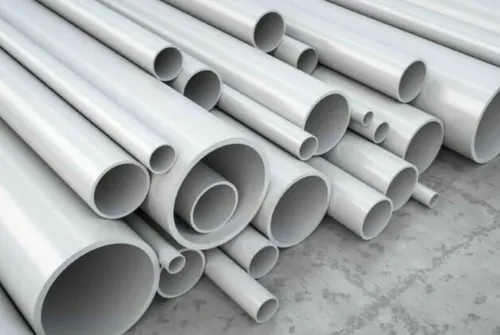
At GharDurbar, we've worked with engineers, contractors, and homeowners across Nepal for over a decade. This guide breaks down everything you need to know about PVC pipe prices in Nepal what they cost, why prices vary, which brands are reliable, and how to avoid costly mistakes.
PVC (Polyvinyl Chloride) pipes are plastic pipes made from a synthetic polymer material. They are one of the most widely used piping materials in Nepal for several practical reasons:
In Nepal's residential construction landscape, PVC pipes are the default choice for cold water supply, drainage systems, sewerage, and electrical conduit lines. For hot water applications such as solar heater outlets or gas geyser lines CPVC pipes are the appropriate upgrade.
Before looking at prices, it's important to understand that not all "PVC pipes" are the same. Here are the main types you'll encounter in the Nepali market:
The most common type used in household plumbing. Rigid, strong, and ideal for cold water supply, taps, and toilets. Look for the NS (Nepal Standard) mark when purchasing.
Designed for hot water lines (up to 90°C). Costs more than UPVC but is essential for solar heaters and geyser connections. Using regular PVC for hot water is a common and costly mistake it softens and leaks within months.
These are larger-diameter, thin-walled pipes used for drainage and sewerage. They are not pressure-rated and should not be used for water supply.
Used for borehole casing and irrigation systems, especially in the Terai belt. Generally heavier-duty and available in blue color for easy identification.
Prices vary by brand, size, wall thickness (SDR rating), and your location in Nepal. The table below gives a general reference for 3-meter lengths at market rate:
| Diameter | Approximate Price (NPR) |
| 25 mm (¾ inch) | Rs. 350 – 500 |
| 20 mm (½ inch) | Rs. 250 – 400 |
| 32 mm (1 inch) | Rs. 500 – 700 |
| 50 mm (1½ inch) | Rs. 950 – 1,200 |
| 63 mm (2 inch) | Rs. 650 – 900 |
| 75 mm (2½ inch) | Rs. 1,800 – 2,100 |
| 90 mm (3 inch) | Rs. 780 – 900 |
| 110 mm (4 inch) | Rs. 2,750 – 3,200 |
| Diameter | Approximate Price (NPR) |
| 20 mm | Rs. 550 – 750 |
| 25 mm | Rs. 750 – 950 |
| 32 mm | Rs. 1,100 – 1,400 |
| 50 mm | Rs. 2,000 – 2,500 |
| Diameter | Approximate Price (NPR per piece) |
| 60 mm (boring pipe) | Rs. 295 – 350 |
| 110 mm (4-inch drainage) | Rs. 3,000 – 3,500 |
If you've ever asked two different hardware shops for a price and received very different answers, here's why:
SDR stands for Standard Dimension Ratio. A lower SDR means thicker walls and higher pressure resistance and a higher price. For underground water supply or high-pressure systems, always choose low SDR (such as SDR 11). For light indoor drainage, SDR 26 is usually sufficient.
Pipes are rated at 2.5, 4, 6, or 10 kgf/cm². Higher pressure ratings mean thicker walls and more material hence higher prices. For most household plumbing, 4 kgf/cm² is the standard recommendation.
NS-marked pipes (certified by the Nepal Bureau of Standards and Metrology) cost slightly more but are manufactured to tested standards. Cheap, uncertified pipes may look identical but can crack under pressure, UV exposure, or soil load. Never compromise on certification.
Bigger pipes require more raw material. Standard lengths are 3 meters and 6 meters 6-meter pipes generally offer better per-meter value for large projects.
Prices tend to spike before the monsoon season (drainage projects), after major festivals (construction restarts), and during the dry season when irrigation projects begin. Buying ahead of these windows can save you 10–20%.
In Kathmandu Valley, Pokhara, and Bharatpur, pipe prices are relatively stable because supply chains are well established. In remote hilly districts, transport adds significantly to the final cost. If you're building in a hill town, plan your material procurement well in advance and buy in bulk to reduce per-trip transport expenses.
Several reputable manufacturers and brands operate in the Nepali pipe market. Here are the most widely recognized:
Here's a quick decision guide based on application:
| Application | Recommended Pipe Type |
| Cold water supply (taps, toilets) | UPVC, NS-marked, 4 kgf/cm² |
| Hot water (solar heater, geyser) | CPVC |
| Drainage (inside house) | SWR/Drainage PVC (110mm) |
| Sewerage (underground) | SWR, minimum SN8 class |
| Irrigation / agriculture | Agricultural PVC or HDPE |
| Electrical conduit | Conduit-grade PVC (not water pipes) |
Buy in bulk. Most hardware dealers offer 5–10% discounts for orders above a certain quantity. If you're doing full-house plumbing, calculate your requirements upfront.
Purchase during off-season. Avoid pre-monsoon and post-festival buying spurts. Late winter (January–February) and post-monsoon (October–November) often see steadier prices.
Don't cut corners on fittings. A quality pipe paired with a cheap elbow or tee fitting will still leak. Fittings elbows, couplings, reducers, and tees should come from the same brand as the pipe wherever possible.
Get quotes from at least two suppliers. Prices differ between dealers. A quick comparison between your local hardware and a Kathmandu wholesale supplier (reachable via phone for bulk orders) can save thousands.
Check for the NS mark yourself. Run your hand along the pipe body. The NS marking, company name, pipe diameter, pressure rating, and manufacturing date should all be clearly embossed.
Avoid reused or second-hand pipes. They may look fine but often have micro-cracks, UV degradation, or altered dimensions that cause problems after installation.
Using regular PVC for hot water lines — It will soften and burst. Always use CPVC.
Buying uncertified cheap pipes to save money — The savings disappear quickly when you have to break walls to fix leaks.
Ignoring SDR ratings — Thin-walled pipes used underground collapse under soil pressure within a couple of monsoons.
Not planning pipe routes before construction — Pipes embedded in concrete are extremely difficult to replace. Plan and confirm all pipe routes before casting slabs.
Using the wrong solvent cement — Not all adhesives work with all pipe types. CPVC cement and UPVC cement are different products.
PVC pipes may seem like a small detail in the grand scheme of building a home, but a poorly planned or poorly purchased piping system is one of the most expensive problems to fix after construction is complete. Breaking walls, re-plastering, and re-tiling because of a leaky or wrong-sized pipe is a nightmare no homeowner should go through.
Take your time, ask the right questions, look for the NS mark, and don't let price alone guide your decision. A pipe that costs Rs. 50 more per piece today can save you Rs. 50,000 in repairs tomorrow.
Have questions about your plumbing layout, material selection, or construction estimate? GharDurbar's team of engineers and architects is here to help. Contact us today for a consultation.