Have a project for us?
DO YOU HAVE ANY QUESTIONS REGARDING YOUR NEXT CONSTRUCTION PROJECT?
Published on: Apr 28, 2026
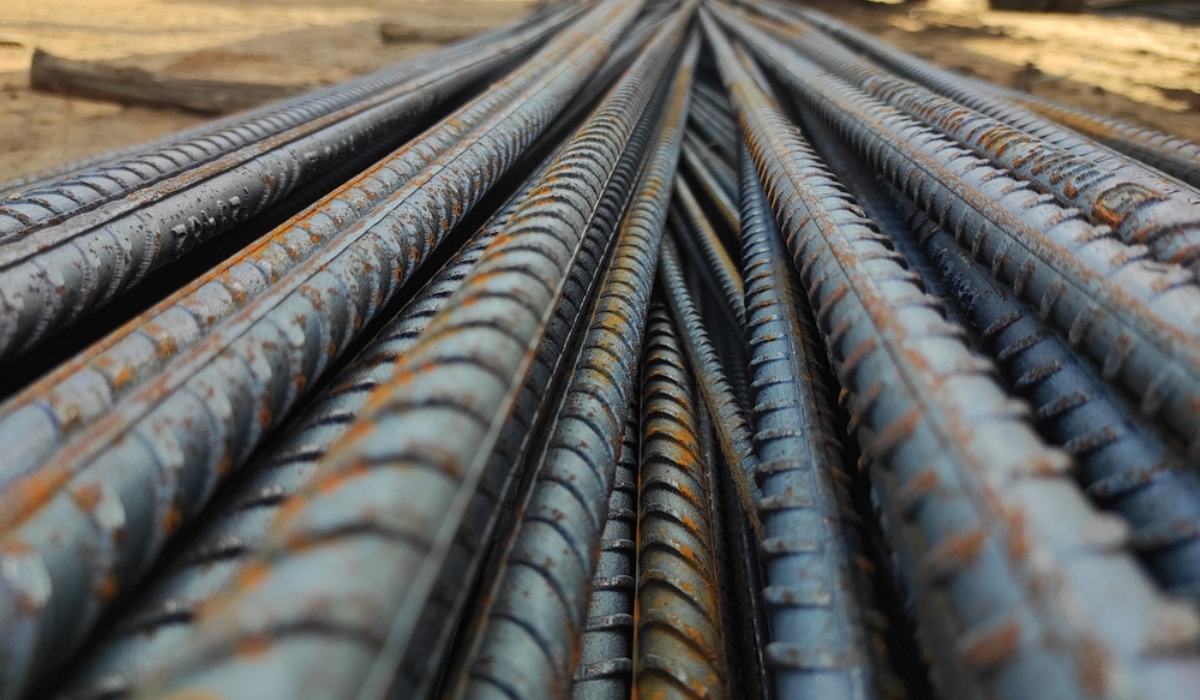
If you're planning to build a house in Nepal whether it's a cozy two-storey in Kathmandu or a solid structure in the Terai one of the first things your contractor will ask you about is iron rods. And rightly so. Steel rods (commonly called sariya or loha in Nepali) are literally the skeleton of your building. Get the pricing wrong, and your entire construction budget can spiral out of control before you've even laid the foundation. So, let's break it all down. What are iron rods actually costing right now in Nepal? Which brands are people trusting? And what should you watch out for when buying?
You might have heard the term TMT bars thrown around a lot at hardware shops or by your engineer. TMT stands for Thermo-Mechanically Treated a process where steel is rapidly heated and then cooled in a specific way that gives the rod a tough outer surface while keeping the inner core soft and flexible. Why does that matter for you? Because Nepal sits in a seismically active zone. A building made with proper TMT bars is significantly more resistant to earthquakes than one built with ordinary mild steel rods. The flexibility of TMT bars allows structures to absorb shock rather than crack under pressure.
In Nepal, the most commonly used grades are Fe 500 and Fe 500D, with Fe 500D being the superior option for earthquake-prone regions due to its higher ductility.
Here's the honest truth: rod prices in Nepal are not fixed. They fluctuate week to week based on global raw material costs, import duties, transportation, and even seasonal construction demand. That said, here's a realistic picture of what the market currently looks like:
Brand | Price (per kg) |
| Jagdamba Steel (TMT, 10mm–16mm) | Rs. 77 |
| Ambe Steel (TMT, 12mm–20mm) | Rs. 77 |
| Laxmi Steel | Rs. 76 |
| Premier Steel Fe 500 | Rs. 82 |
| Premier Steel Fe 500D | Rs. 85 |
| Size | Price (per kg) |
| TMT 8mm | Rs. 78.70 |
| TMT 10mm | Rs. 76.00 |
| TMT 12mm | Rs. 76.00 |
| TMT 16mm | Rs. 76.00 |
| TMT 20mm | Rs. 76.00 |
| TMT 25mm | Rs. 77.00 |
| TMT 28mm | Rs. 80.30 |
| TMT 32mm | Rs. 80.30 |
Nepal's steel industry has come a long way. A decade ago, nearly all rebar was imported. Today, Nepal is largely self-sufficient in steel production for construction, thanks to several home-grown manufacturers.
Often called the biggest steel company in Nepal, Jagdamba Steel has been in the market for decades and manufactures around 2,500 tons of steel per day. It holds an ISO 9001 certification and is the go-to choice for many large infrastructure projects. Recently, Jagdamba Steel shifted to sourcing raw materials from Indonesia due to the 15% import tax from India a move that reflects how global trade policies directly impact your construction costs here at home.
Founded in 1982, Ambe Steel is one of Nepal's largest and oldest manufacturers. They have an extensive dealer network across the country from Kathmandu and Pokhara to Nepalgunj and Dhangadhi making them a reliable choice even outside the Valley.
Panchakanya holds the distinction of being the first company in Nepal to manufacture TMT steel bars and the first to receive the prestigious NS (Nepal Standard) mark. They're also ISO 9001:2008 certified. Their product range includes TMT bars, Eco bars, HB wires, binding wires, and nails.
Established in 1988, Hama Steel has been quietly serving Nepal's construction needs for over 35 years. They were among the early companies to receive the NS mark and produce a full range of products including 500D TMT bars, binding wires, and hard bright wires.
Premier offers the Fe 500D grade a slightly premium product that commands a higher price per kg but is strongly recommended for structures that need extra seismic resistance.
Notably, Siddhi Laxmi is the only company in Nepal that manufactures 40mm TMT bars, offering a full range from 8mm all the way up to 40mm. Their bars use a unique X-ribbed pattern for better grip with cement.
Ever wonder why you checked the price last month and it's different today? Here are the main forces at play:
Raw Material Costs Steel is made from iron ore and metallurgical coal both of which are traded globally. When global prices spike (which they did mid-2024 due to supply chain disruptions), Nepal's local manufacturers absorb those shocks and eventually pass them on to buyers.
Import Duties and Taxes Many Nepali steel companies import raw materials especially billets from India, China, or Southeast Asia. Any change in import duty, VAT structure, or customs policy can immediately shift retail prices.
Seasonal Demand Construction picks up significantly in Nepal between October and May (after the monsoon). This increased demand pushes prices upward. If you can plan your procurement during the monsoon off-season, you may snag better rates.
Transportation and Logistics Nepal is landlocked. Getting raw materials and finished goods to the market especially outside Kathmandu adds a logistics premium. That's why rod prices in far-western or hill districts tend to be 5–10% higher than the Kathmandu valley.
Global Market Trends As of early 2026, global TMT bar prices are expected to remain moderately stable, though fluctuations in iron ore prices and shifting trade policies continue to create uncertainty. The construction boom across developing nations Nepal included is keeping demand high.
1. Always buy NS-marked rods. The Nepal Bureau of Standards and Metrology (NBSM) issues the NS mark. This is your assurance that the product meets national quality standards. Never compromise on this, no matter how good a "deal" someone offers.
2. Don't chase the cheapest price blindly. It's tempting to save a few rupees per kg, but substandard rods can cost you enormously in the long run through structural repairs, corrosion problems, or worse, earthquake vulnerability. As a rule of thumb, stick to reputed brands and verified dealers.
3. Buy in bulk if possible. Many dealers offer discounts on bulk purchases. If your engineer has given you a full quantity estimate, buying at once can save you both money and future price fluctuation headaches.
4. Ask for grade certification. Make sure the rods you're buying match what's specified in your structural design Fe 500 or Fe 500D. These grades have different tensile strengths and your engineer would have specified one for a reason.
5. Compare prices across dealers, not just brands. The same brand can have different retail prices depending on the dealer's margins. Get quotes from at least 2–3 hardware stores before finalizing.
6. Watch out for size labeling tricks. Some unscrupulous dealers sell rods that are slightly underweight for the stated diameter. Ask for a weight check or look for the rolled markings on the bar (reputed companies stamp their brand and grade directly onto the rod during manufacturing).
Just to give you a ballpark idea for a typical two-storey RCC house (around 1,200 sq ft), you'll generally need somewhere between 5,000 to 8,000 kg of steel depending on the design, soil type, and structural requirements. At current prices of around Rs. 76–82 per kg, that works out to roughly Rs. 3.8 lakhs to Rs. 6.5 lakhs just for the steel.
This is why your structural engineer's estimate matters so much even a 10% overuse or underuse of steel can mean hundreds of thousands of rupees difference.
Building a house in Nepal is a milestone and iron rods are one of the most critical investments in that journey. The prices are always moving, but if you stay informed, buy from reputed brands, and time your purchase smartly, you can manage your budget effectively.
Keep an eye on the market, work closely with a certified civil engineer, and don't be afraid to ask your supplier hard questions about quality. Your building will stand for generations it deserves the best foundation you can give it.